Common Methods Used for Foundation Raising and Leveling
People seeking foundation raising and leveling aim to stabilize and straighten their home's foundation, with local contractors offering proven methods to achieve lasting results.
Understanding the common methods used for foundation raising and leveling can help property owners make informed decisions about addressing structural concerns. These techniques are essential for correcting uneven or settling foundations, which can impact the safety and stability of a home or commercial building. Local contractors specializing in foundation services have the expertise to evaluate the specific needs of each property and recommend practical solutions tailored to the situation.
Property owners in the area often explore foundation raising and leveling to prevent further damage and maintain property value. Whether dealing with minor unevenness or more significant shifts, working with experienced local service providers ensures that the job is handled efficiently and effectively. Keep reading to learn about the typical methods used and how local contractors can assist in restoring your foundation’s integrity.
- Pier and Beam Lifting - homeowners with uneven or sagging floors may need this method, which local contractors often perform using hydraulic jacks to lift and stabilize the foundation.
- mudjacking or slabjacking - this approach is suitable when concrete slabs settle or sink, with service providers injecting a grout mixture beneath the slab to raise and level it.
- underpinning - structures experiencing significant foundation shifting might require underpinning, where local pros install additional support elements to strengthen and lift the foundation.
- pier and beam stabilization - when the foundation becomes unstable due to soil movement, contractors typically install or repair piers to provide consistent support.
- mud or foam injection - for minor settling issues, service providers may use foam or mud injections to lift and level concrete or foundation slabs efficiently.
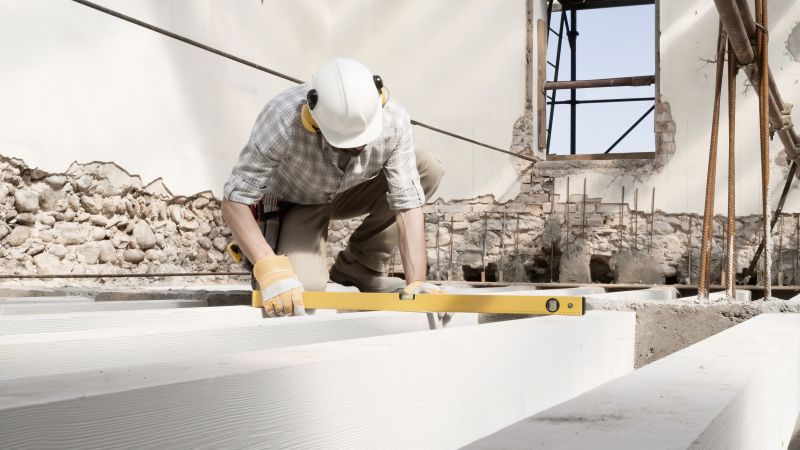
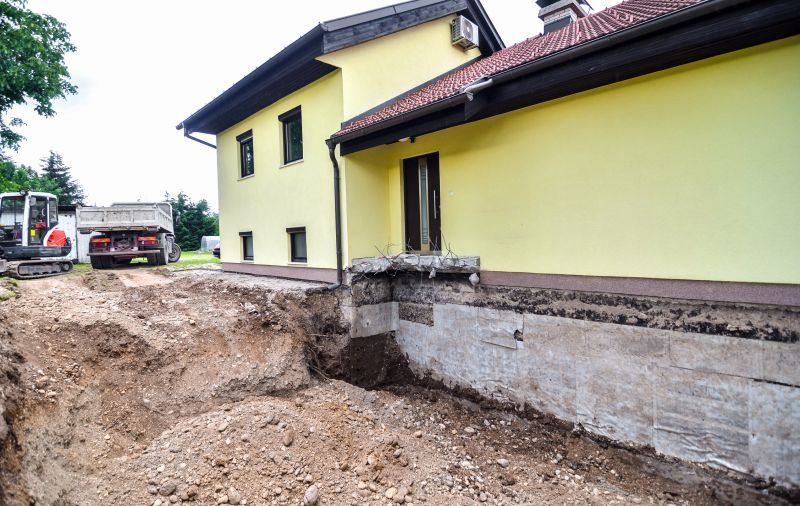
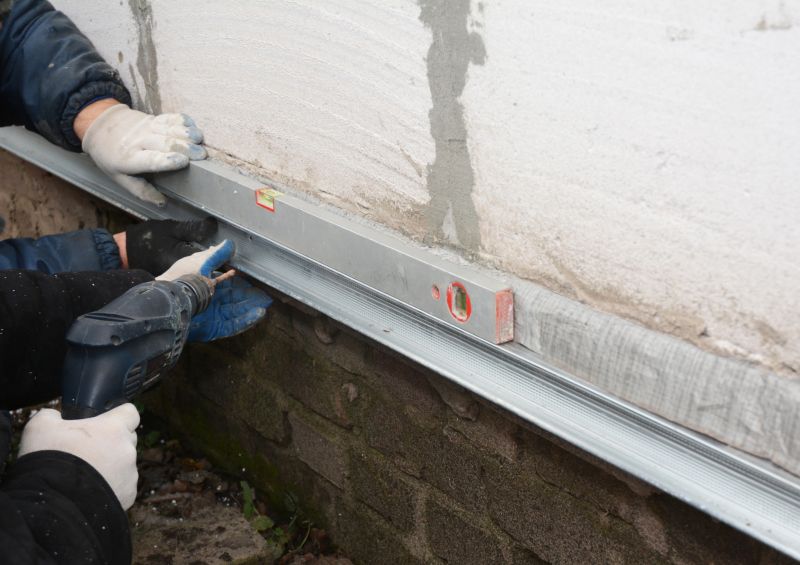
When homeowners search for information about common methods used for foundation raising and leveling, they are typically exploring solutions for issues related to uneven or settling foundations. These problems often manifest as cracks in walls, uneven floors, or doors and windows that no longer close properly. Such conditions can arise from various factors, including soil movement, moisture changes, or poor initial construction. Many property owners consider foundation raising and leveling when planning repairs or improvements to ensure the stability and safety of their homes. This topic is also relevant during renovation projects where a level foundation is essential for proper construction and aesthetic appeal.
The methods used for foundation raising and leveling are designed to address different types of foundation issues, depending on the severity and cause of the problem. Common approaches include underpinning, mudjacking, and piering. Underpinning involves strengthening or stabilizing the existing foundation by extending it to a more stable soil layer, often using additional concrete or other supportive materials. Mudjacking, also known as slab jacking, lifts and levels concrete slabs or floors by injecting a mixture of cement, sand, and water beneath them. Piering involves installing piers-metal or concrete supports-that transfer the building’s weight to deeper, more stable soil layers. Local contractors skilled in foundation raising and leveling can assess the specific needs of a property and recommend the most suitable method to restore stability.
Different property types often require tailored approaches for foundation raising and leveling. Residential homes, especially those in areas with expansive clay soil or frequent moisture fluctuations, commonly face settling issues that need correction. Commercial buildings and multi-family complexes may have more complex foundations requiring specialized techniques to ensure minimal disruption during repairs. Additionally, properties built on slopes or uneven terrain can benefit from foundation stabilization methods that address specific soil and structural challenges. Local service providers experienced in foundation work are equipped to handle these various property types, providing practical solutions that help maintain or restore the integrity of the structure.
Understanding the common methods used for foundation raising and leveling helps homeowners connect with local contractors who specialize in these services. Whether dealing with minor unevenness or significant settlement, it’s important to work with professionals who can accurately diagnose the problem and apply the appropriate technique. These experts typically use proven approaches like underpinning, mudjacking, or piering to lift and stabilize foundations effectively. By choosing experienced local service providers, property owners can ensure their homes or buildings are properly supported, reducing future risks and maintaining property value. Proper foundation correction is a key step in preserving the safety and longevity of any property facing foundation issues.
Foundation repair projects - professionals who handle foundation raising and leveling often work on repair projects that require similar techniques to stabilize and lift structures effectively.
Concrete slab leveling - this type of project involves adjusting and leveling concrete surfaces, utilizing similar tools and methods used in foundation leveling services.
Basement underpinning - underpinning involves strengthening and raising the foundation of a building, closely related to foundation raising methods and planning.
Structural reinforcement projects - projects that reinforce or stabilize existing structures often require expertise in foundation adjustments and load distribution.
Pier and beam foundation services - these projects involve raising and leveling foundations supported by piers or beams, utilizing comparable techniques and planning.
Soil stabilization work - stabilizing the ground beneath a foundation is a crucial step in foundation raising and leveling, often performed by local contractors with specialized tools.
When evaluating local contractors for foundation raising and leveling services, it is important to consider their experience with similar projects. An experienced service provider will have a thorough understanding of the common methods used for foundation raising and leveling, along with practical knowledge of how to address different types of foundation issues. Inquiring about their past work can help determine if they have successfully handled projects comparable in scope and complexity, which can contribute to a smoother process and more reliable results.
Clear written expectations are essential when comparing foundation raising and leveling service providers. A reputable contractor should be able to provide detailed descriptions of the methods they plan to use, along with a transparent outline of what the project will entail. This clarity helps ensure that homeowners understand the scope of work, the materials involved, and the anticipated outcomes. Well-defined expectations can also serve as a basis for any agreements or warranties, promoting a more straightforward and informed decision-making process.
Reputable references and effective communication are key factors in choosing a foundation raising and leveling contractor. Service providers who can furnish references from previous clients demonstrate their track record of successful projects. Additionally, good communication-such as responsiveness to questions and clarity in explanations-helps build trust and ensures that homeowners remain informed throughout the process. When local contractors prioritize transparent dialogue and provide verifiable references, it becomes easier to compare their professionalism and reliability before making a final selection.
Property owners often search for common methods used for foundation raising and leveling when they are planning practical projects around their homes and businesses. Local pros provide Foundation Raising and Leveling services for everyday jobs and straightforward project options.
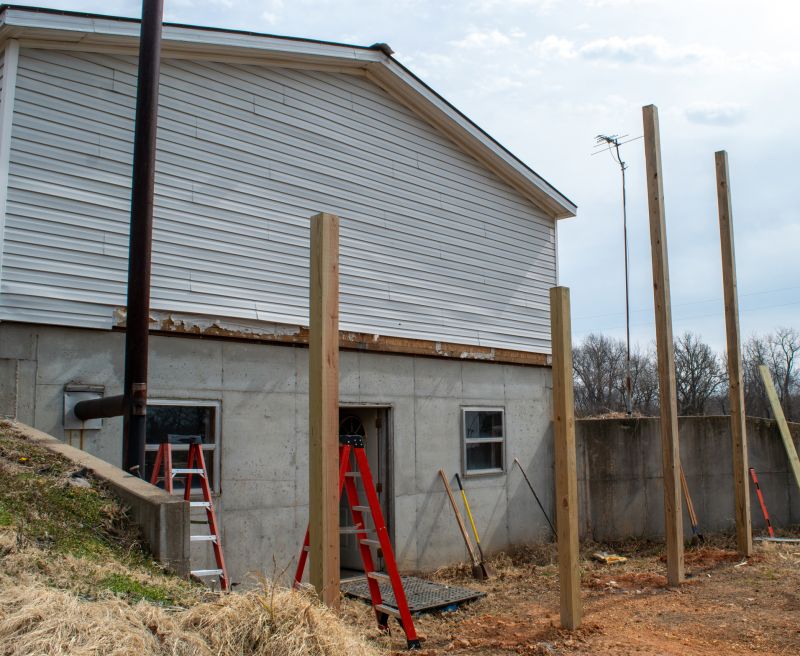
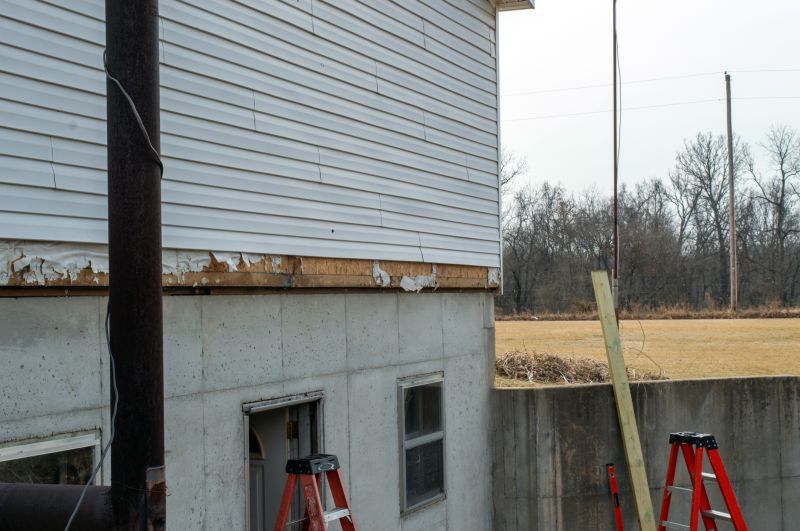
Understanding the common methods used for foundation raising and leveling can help property owners in the area address uneven floors, cracks, or settling issues that may arise over time. Many local contractors utilize techniques such as mudjacking or slabjacking, which involve injecting a mixture beneath the foundation to lift and stabilize it. Others may recommend piering systems, where supports are installed deep into the ground to lift and hold the foundation in place. These approaches are often chosen based on the specific conditions of the property, making it important to work with experienced service providers who can assess and recommend the most suitable solution.
Homeowners and property owners might seek out foundation raising and leveling services to prevent further structural damage or to improve the safety and stability of their buildings. Local service providers typically use methods like underpinning or hydraulic jacking to correct uneven foundations, ensuring the structure remains level and secure. Consulting with these professionals can help determine the best approach for each situation, especially when dealing with issues caused by soil movement, water damage, or aging. Connecting with local contractors who specialize in foundation work can provide options tailored to the needs of the property and the local soil conditions.
What are common methods used for foundation raising and leveling? Local contractors often use techniques such as mudjacking, pier and beam adjustments, and slab jacking to raise and level foundations effectively.
How does mudjacking work in foundation leveling? Mudjacking involves injecting a mixture of cement, soil, and other materials beneath the slab or foundation to lift and stabilize it.
What is pier and beam foundation raising? This method involves installing or adjusting piers beneath the foundation to lift and support the structure, addressing uneven settling.
Are there specific methods suitable for different foundation types? Yes, foundation type and condition influence whether techniques like mudjacking, piering, or slab jacking are used by local service providers.
How do local pros determine the best method for foundation leveling? They assess the foundation’s condition, soil stability, and structural needs to recommend the most appropriate raising and leveling method.
- property owners can consider mudjacking to lift sunken concrete slabs around their foundation, providing a stable base for repairs with help from local contractors.
- using pier and beam systems allows homeowners to raise and stabilize uneven foundations, especially in older homes, with assistance from local service providers.
- underpinning involves strengthening and raising a foundation by installing new support elements, which local contractors can customize for different types of structures.
- slab jacking involves injecting a grout mixture beneath concrete to lift and level it, a technique often used for driveways and walkways by local foundation specialists.
If you are thinking about common methods used for foundation raising and leveling for a property, this guide is meant to help you understand this topic, the typical project types, and how different options might fit your plans.
When you are ready, you can use the quote form on this page to share a few details about your project. From there, local pros can review the basics and follow up with options that match what you have in mind.